Trouble viewing this Email? Try viewing it in a web browser.
|
|||
|
|||
|
Aging Effect No. 2: Rising Inflammation The term immunosenescence has a partner term that's relatively new: "inflammaging." It refers to chronic low-grade inflammation that develops with advanced age. Inflammation – when the immune system causes a part of your body to become reddened, swollen, hot and sometimes painful – is how the body fights disease, fixes injuries and rids you of inappropriate germs or invaders. It's meant to be short term. But chronic inflammaging tends to occur with age for a variety of reasons: Weight gain, poor diet, lousy sleep and chronic stress are among the big lifestyle causes. But other systemic issues can also contribute, such as persistent viral infections, decreased liver or kidney function, increased gut permeability (leaky gut) and autoimmune diseases. All of this degrades the immune system; when our bodies are in a state of chronic, low- grade inflammation, our immune system is constantly firing and operating abnormally. That accelerates the aging process on a cellular level. It can lead to heart disease, type 2 diabetes, Alzheimer's disease and more. "Most systems in our body are tightly regulated," says Sean Xiao Leng, M.D., professor of medicine, molecular microbiology and immunology at the Johns Hopkins University School of Medicine and Bloomberg School of Public Health. "The immune system is no exception, which is why this dysregulation is so dangerous." If it gets bad enough (a twofold to fourfold increase in blood levels of inflammatory cytokines, according to one 2019 study), a person can officially become a "chronic low- level inflammatory phenotype." You don't want to be that person. The insidious nature of chronic inflammation is its relationship to so many organs and processes in the body. For example, unregulated stress (inflammatory) can motivate you to stress-eat highly processed sugary/fatty/salty foods (inflammatory), and they can also pack a calorie punch for weight gain (inflammatory), promote a poor bacterial balance in your gut microbiome (inflammatory), and over time push you into metabolic syndrome or type 2 diabetes (inflammatory). What's more, chronic inflammation is silent and produces no symptoms. Your immune system may be compromised and you don't even know it. 
How to Save Your Immune SystemYou can't do anything about your genetic makeup, but, luckily, many factors that positively affect your immune system are within your control. Take them seriously, Leng urges. While you may not be able to stop immunosenescence, any slowdown you can produce means a higher immune reserve at any given time. That's critical when it comes to infections. "If you talk about vulnerability in older adults, it's definitely two important parts," he says. "One is incidence – whether you get the infection or not. But the other part is severity. Even if you don't have the incidence outcome you want, having a stronger immune function may determine how badly you'll be infected." In other words, every bit of the following helps. Movement Regular workouts boost immune function and lower inflammation. A 2019 study in Nature Reviews: Immunology noted that skeletal muscle is a "major immune regulatory organ" that generates anti-inflammatory and immunoprotective proteins called myokines. A 2018 study found that higher-intensity workouts may blunt immunosenescence in older adults. "Exercise strengthens the body and may be the most important lifestyle intervention you can add," Kang says. Weight Management Obesity is deadly when it comes to inflammation. Belly fat is metabolically active tissue; it releases inflammatory cytokines into your body, which then trigger more weight gain – and more inflammation. Kang states it simply: "Getting to a healthy weight could be a major factor in decreasing inflammation levels." Self-Knowledge Butte suggests that people gain a better understanding of where their health is right now. For example, those with asthma may want to start measuring their peak airflow to know what their normal lung function is. "The more we can use digital devices and tools, the more we'll understand," he says. "If something changes, you're not just going to the doctor and saying, ‘I'm having trouble breathing.' You can say, ‘My airflow has dropped 8 percent.' " Staying on top of whatever chronic conditions you have will allow you to spot declines quickly, so you and your doctor can decide on a better course of therapy. Nutrition Eating right should be common sense, but research reveals specific nutritional effects on immune function in older adults. A 2018 study reviewed in the journal Nutrients showed that basic nutrients like vitamins A, C, D, E and the B vitamins, along with folic acid, iron, selenium and zinc, are essential for "immunocompetence," with deficiencies causing lower T cell production and an inability to resolve inflammation. Strive for balance, Kang says: "Eat not just vegetables but also good proteins and fiber." The latter is important because it feeds the good bacteria in your gut and can help lower inflammation. "We have a lot of immune cells in the gut that help regulate health. Dietary fiber may have more than the single effect of making the bowel move." Calm Research has shown that unregulated stress can accelerate immunosenescence. It comes down to a chronic immune response to whatever's stressing you, with the resulting rise in inflammation. Self-care in this area becomes critical – from anti-stress activities (meditation, mindfulness, exercise) to asking for help in unresolved stressful situations (work, money, caregiving). People don't talk enough about the effect of stress on immunity because it's not as tangible as other factors such as hours of exercise or how many packs per day you smoke, Leng notes. Vaccines Age takes its toll on vaccine effectiveness as well as immunity. Vaccines are designed to provoke the production of antigens – the influenza vaccine is made of influenza cells – but our aging immune reserve doesn't respond as robustly as it did in our earlier years. None of that should make you lazy about vaccines. "It's true they become less effective as people get older. But even if you do get infected, the disease will be less severe. People should get whatever vaccines their doctors recommend based on age and underlying medical conditions," Kang says. Medications Certain prescription medications may inhibit your immune system. For example, oral and inhaled corticosteroids (common for arthritis, allergies, asthma and inflammatory bowel disease) may raise your risk of fungal infections. The same is true for TNF inhibitors that treat autoimmune conditions like rheumatoid arthritis and psoriasis. "Even antibiotics could kill gut bacteria and trigger some kinds of infection," Kang says. If you're on any ongoing medications, talk to your doctor about possible immune system side effects and how to address them. 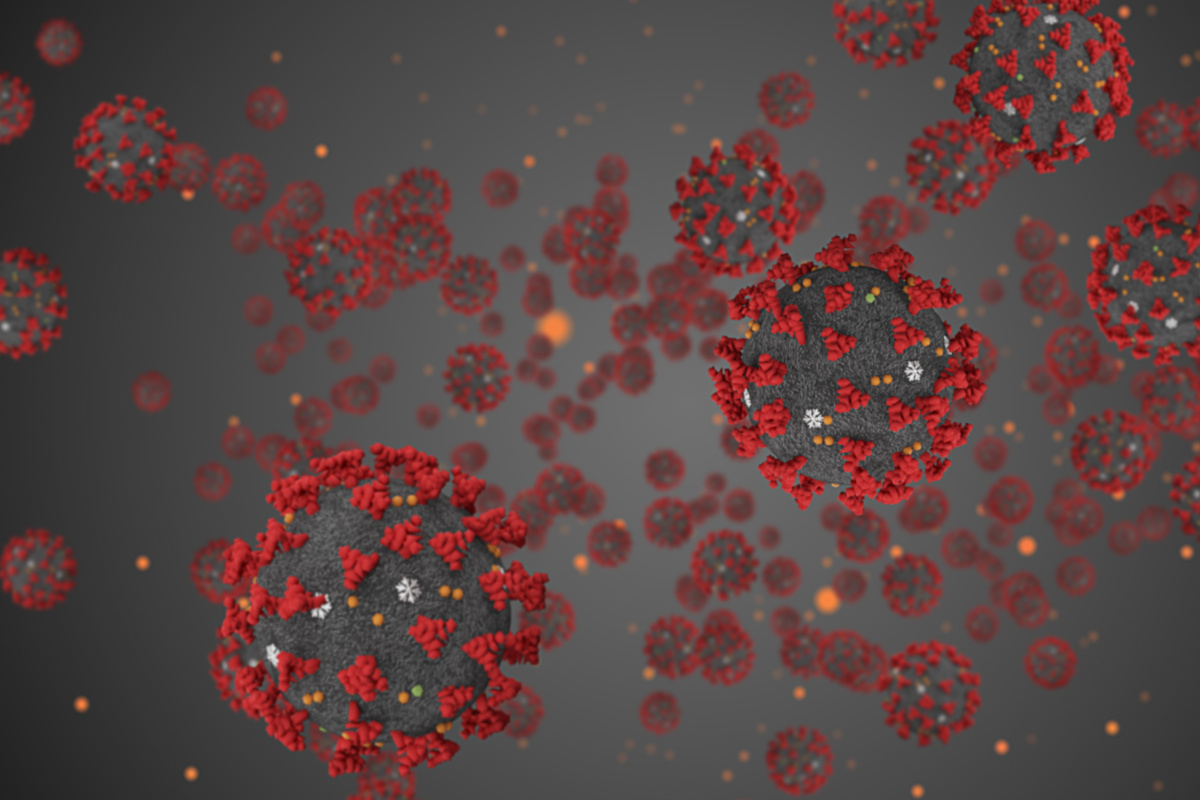
COVID-19 LessonsAside from a deeply ingrained knowledge of handwashing and just how far away 6 feet is, the COVID-19 pandemic will, in the end, teach us more about our health vulnerabilities – individually and as an aging population. Butte believes it will usher in a new era in immunity research. "We're going to learn a lot in a hurry. We have the genomics of this virus and can get the genomic sequence down in hours. We can see how it's changing from this point in Seattle to that point in San Francisco." Leng foresees a large push into learning more about aging and immunity by studying the older adult population and unlocking the unknown mechanisms in the immune response. He's already part of a massive National Institutes of Health initiative into geriatric science involving hundreds of researchers. "The traditional medical model focuses on individual disease," he says. "With something like COVID-19, you're chasing one thing. But we'll try to see if we can find an underlying mechanism in immunity, something upstream in the process. Then we can do a wider search rather than chase after individual diseases. If we can do that, the older population will handle all immune challenges better." Light Summer Cake
Lemon Polenta Cake
Directions
|
|||
|
|||
|
You have received this email because you provided your email address to Jim Robeson, most likely in the course of a business activity. If you do not want to receive any more mailings, unsubscribe. 
|
|||